Achieve total manufacturing process optimization by bridging the gap between the shop floor and the front office with integrated digital architectures.

.svg)
.svg)
Maintaining a steady flow on the factory floor is no longer just about mechanical endurance or hardware. Today, the secret to uninterrupted production lies in the digital architecture operating behind the scenes. As we look toward the next decade, the shift is undeniable. Recent projections from PwC suggest that by 2030, the share of highly automated processes in manufacturing will nearly triple, rising from 18% to 50%. This surge is not just about adding more machines. It is about the manufacturing software solutions that orchestrate every movement, from the first raw material to the final quality check.
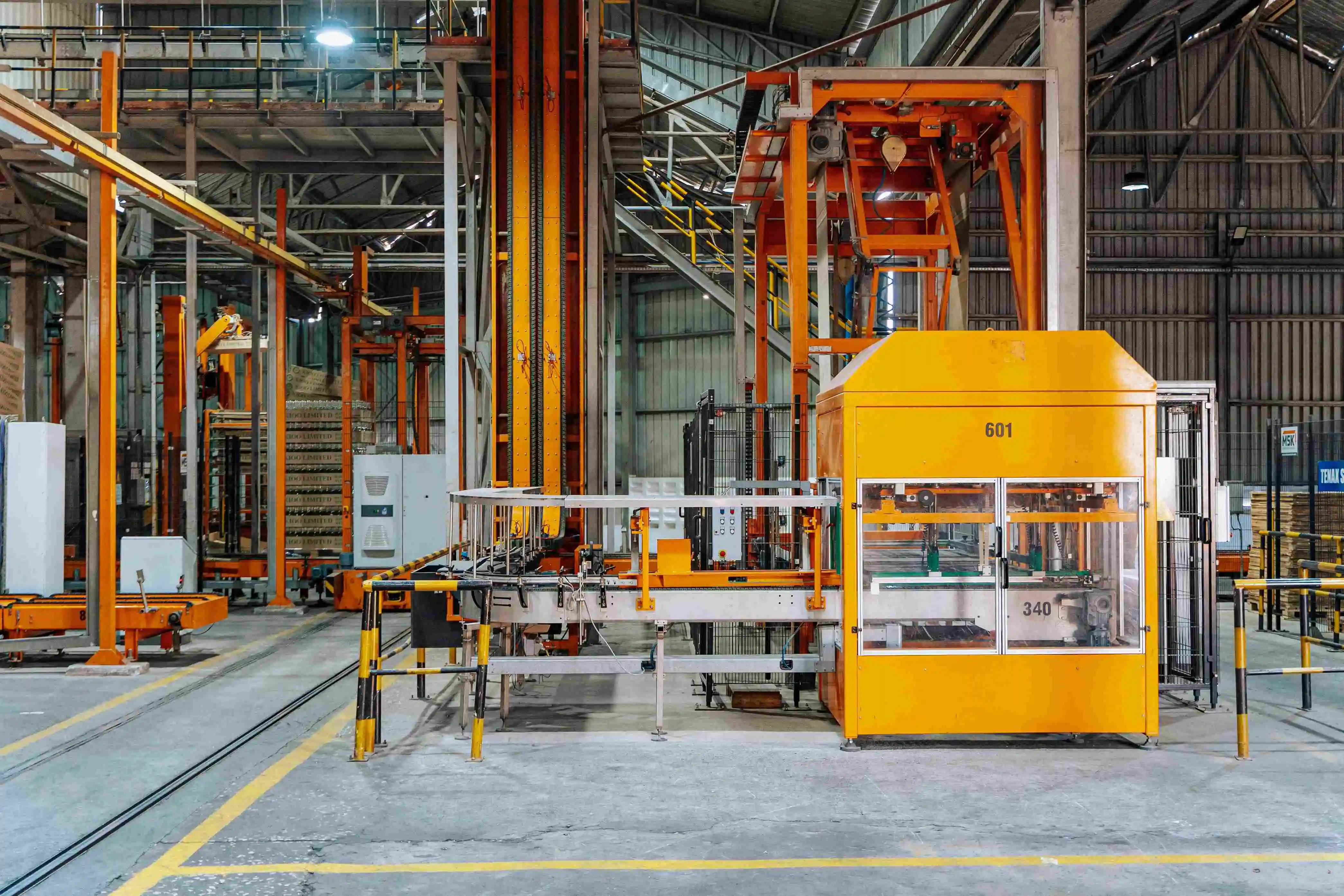
Think of a factory line as a complex body. The machinery represents the muscles, but without a nervous system, those muscles cannot coordinate. Industrial software development provides that system, allowing different machines to communicate with one another. When a bottle filler slows down on an assembly line, the capping station further down the line knows to adjust its speed instantly. This level of connectivity prevents the accordion effect, where small delays in one section create massive backups elsewhere. By utilizing factory automation software, manufacturers can move away from reactive fixes and toward a proactive, synchronized flow. This digital integration ensures that every gear, belt, and robotic arm is working in harmony, reducing the friction that typically leads to mechanical fatigue.
One of the biggest threats to any factory line is unplanned downtime. When a critical component fails, the entire line grinds to a halt, costing thousands of dollars every hour. Modern manufacturing software solutions solve this by using predictive analytics. Instead of waiting for a machine to break, sensors feed real-time data into the software to track vibrations, temperature, and wear. The system then alerts the team weeks before a failure is likely to occur. This enables manufacturing process optimization by scheduling maintenance during planned breaks, ensuring the line never stops unexpectedly. The transition from reactive maintenance to predictive maintenance is perhaps the most significant leap in industrial history, turning potential disasters into scheduled five-minute fixes.
Efficiency is not just about moving faster. It is about moving smarter. Factory automation software eliminates the manual bottlenecks that typically slow down production. In a traditional setting, a human supervisor might have to manually check inventory levels or verify that a machine is running at the correct RPM. In an automated environment, the software handles these micro-decisions at a frequency and accuracy level that no human could match.
By investing in industrial software development, companies can create custom workflows that fit their specific factory floor needs rather than trying to force a one-size-fits-all tool to work. This customization is what separates market leaders from those who are simply trying to keep up.
In many traditional setups, the office and the shop floor operate in different worlds. Orders come in at the desk, but the people on the line might not see the priority shift until hours later. This lack of transparency leads to wasted energy and misaligned production goals. Bridging this gap is a key part of manufacturing process optimization. Modern software creates a unified data backbone, where a new order in the CRM automatically updates the production schedule on the floor. This end-to-end visibility means the factory line stays moving on the tasks that matter most for the business pipeline. When the sales team closes a major deal, the production manager and the automated systems are notified simultaneously, allowing for real-time adjustments to the manufacturing queue.
The manufacturing landscape is changing rapidly. Consumer demands shift and supply chains fluctuate. A factory line that is locked in to one way of doing things is a liability. In an era where customization is becoming the norm, factories must be able to switch from one product variant to another with minimal reset time. Software provides the flexibility needed to pivot. Through digital twins, which are virtual copies of the factory line, engineers can test new processes or product runs in a digital environment before ever touching a physical machine. This ensures that when the time comes to change the actual line, the transition is seamless and the downtime is non-existent. Factory automation software allows for this modularity, turning a rigid assembly line into a dynamic, adaptable production ecosystem.
As a business grows, the complexity of managing a factory floor increases exponentially. Adding a second or third line is not as simple as duplicating the first. You have to manage shared resources, overlapping schedules, and a much larger volume of data. This is where manufacturing software solutions become indispensable. A robust digital architecture allows for centralized management of multiple sites. A manager in one country can look at a dashboard and see the real-time health of a factory line in another. This global visibility is powered by industrial software development that prioritizes cloud connectivity and edge computing. It allows companies to scale their output significantly without needing to linearly increase their management staff.
There is a common misconception that software and automation are meant to replace the human workforce. In reality, these tools are designed to augment human capability. By taking over the repetitive, dangerous, and high-precision tasks, factory automation software frees up human workers to focus on high-level problem solving and creative optimization.
The workforce of the future will be less about manual labor and more about managing the digital systems that govern the machines. This shift requires a new approach to training and a deeper integration of IT and OT (Operational Technology). When the software handles the minute-by-minute movements of the factory line, the human team can focus on long-term manufacturing process optimization, looking for new ways to reduce waste and improve energy efficiency.
Sustainability is no longer an optional goal for manufacturers. Between regulatory pressure and rising energy costs, efficiency is a survival trait. Software plays a massive role in reducing the environmental footprint of a factory. By optimizing the path of a robotic arm or precisely controlling the heat in a furnace, manufacturing software solutions can significantly reduce kilowatt usage. Furthermore, by reducing errors through automated quality control, factories produce less scrap. Every defective item caught by factory automation software early in the process is raw material saved and energy not wasted on a product that cannot be sold. This level of precision is only possible through high-quality industrial software development that integrates sustainability metrics directly into the production logic.
The factory of the future is not just a place of smoke and steel. It is a place of code and connectivity. The ability to keep a line moving at peak efficiency is no longer a matter of simply working harder. It is about working with better data, better integration, and better software. As the industry moves toward 2030, the gap between those who embrace these digital tools and those who do not will only continue to widen.
At Blue Coding, we specialize in building the technical infrastructure that keeps industries moving. Whether you are looking to implement custom manufacturing software solutions or need a dedicated team for industrial software development, we provide the expertise to bridge the gap between complex hardware and smart digital strategy. We believe in starting the conversation with zero pressure, which is why we offer a first free call to discuss your queries and explore how we can optimize your specific operations.
The journey toward a fully optimized, future-fit factory does not happen overnight, but it does start with the right software foundation. By focusing on connectivity, predictive data, and seamless automation, you can ensure your factory lines keep moving, no matter what the future holds. Reach out today to see how our expertise in manufacturing process optimization can transform your production environment.
The factory of the future is not just a place of smoke and steel; it is a place of code and connectivity. As the industry moves toward 2030, the gap between those who embrace digital tools and those who do not will only continue to widen, making the ability to keep a line moving at peak efficiency a matter of better data rather than just harder work. Blue Coding specializes in building the technical infrastructure that keeps these industries moving. Whether you are looking to implement custom manufacturing software solutions or need a dedicated team for industrial software development, we provide the expertise to bridge the gap between complex hardware and smart digital strategy. The journey toward a fully optimized, future-fit factory does not happen overnight, but it starts with a solid software foundation focused on connectivity and manufacturing process optimization. If you are interested, contact us to book your free call today and we can discuss how we can help you advance your business even further!


Subscribe to our blog and get the latest articles, insights, and industry updates delivered straight to your inbox