A deep look at the DevOps and automation trends shaping outsourced software projects in 2026 and what they mean for growing businesses.
%252020.17.12.png)

.svg)
.svg)
DevOps and automation have become strategic drivers for how outsourced software projects are planned, built, and scaled. As we move into 2026, businesses working with external development teams are rethinking what speed, reliability, and collaboration really mean in a highly automated world. The focus has shifted from simply delivering code faster to building delivery systems that are intelligent, secure, and resilient by design. For companies outsourcing software development, DevOps is now the foundation that keeps distributed teams aligned, pipelines predictable, and releases consistent across regions and time zones. Automation, powered by AI and modern tooling, is redefining how teams test, deploy, monitor, and secure applications at scale. In this blog, we explore the key DevOps trends 2026 that are shaping outsourced software projects, and why understanding these shifts is critical for organizations that want long term value, not just short term delivery wins.
AI driven automation is not just another enhancement to DevOps, it is operational reality. Outsourced software teams are increasingly relying on artificial intelligence and machine learning to automate core workflows that once demanded manual attention. From automating test generation, deployment decisions, and predictive scaling to identifying code anomalies before they impact users, AI is elevating the efficiency and reliability of CI/CD pipelines far beyond traditional automation. Rather than scripting repetitive tasks, teams embed predictive intelligence into their delivery workflows, meaning systems can now forecast issues and resolve them autonomously, dramatically improving uptime and velocity.
For outsourcing partners, this trend translates into two major advantages: consistency of execution and faster turnaround. Outsourced teams can deliver stable builds and fewer regressions because intelligent systems execute with precision around the clock, often across time zones. This shift allows human engineers to focus on strategic design, architectural quality, and client collaboration rather than repetitive tasks.
As DevOps evolves, outsourced teams are moving beyond ad hoc pipelines toward platform engineering, where internal developer platforms (IDPs) become the backbone of sustainable delivery. An IDP is essentially a reusable framework that encapsulates best practices, boilerplate configurations, security rules, and self service infrastructure, giving developers a consistent and reliable path to ship software.
Outsourcing companies that adopt platform engineering sharpen both quality and speed. Standardized templates reduce onboarding friction for new contributors, while self service tools let distributed teams deploy environment changes without help from operations. This drives a co creation culture where Dev, Ops, and QA are aligned, reducing bottlenecks and driving down cycle time. Clients benefit from rapid, predictable delivery.
GitOps, the practice of using Git as the single source of truth for both applications and infrastructure, is quickly becoming a foundational pillar for DevOps in 2026. Combined with Infrastructure as Code (IaC), it ensures that changes to infrastructure are versioned, auditable, and repeatable. For outsourced projects involving complex multi cloud or hybrid environments, GitOps brings clarity and control. Every update, whether software code or environment change, flows through Git workflows and automated CI/CD processes. This makes rollbacks trivial, improves traceability, and enforces governance without slowing down delivery. Clients gain confidence because they can see not just what was deployed but why and when, backed by version controlled history.
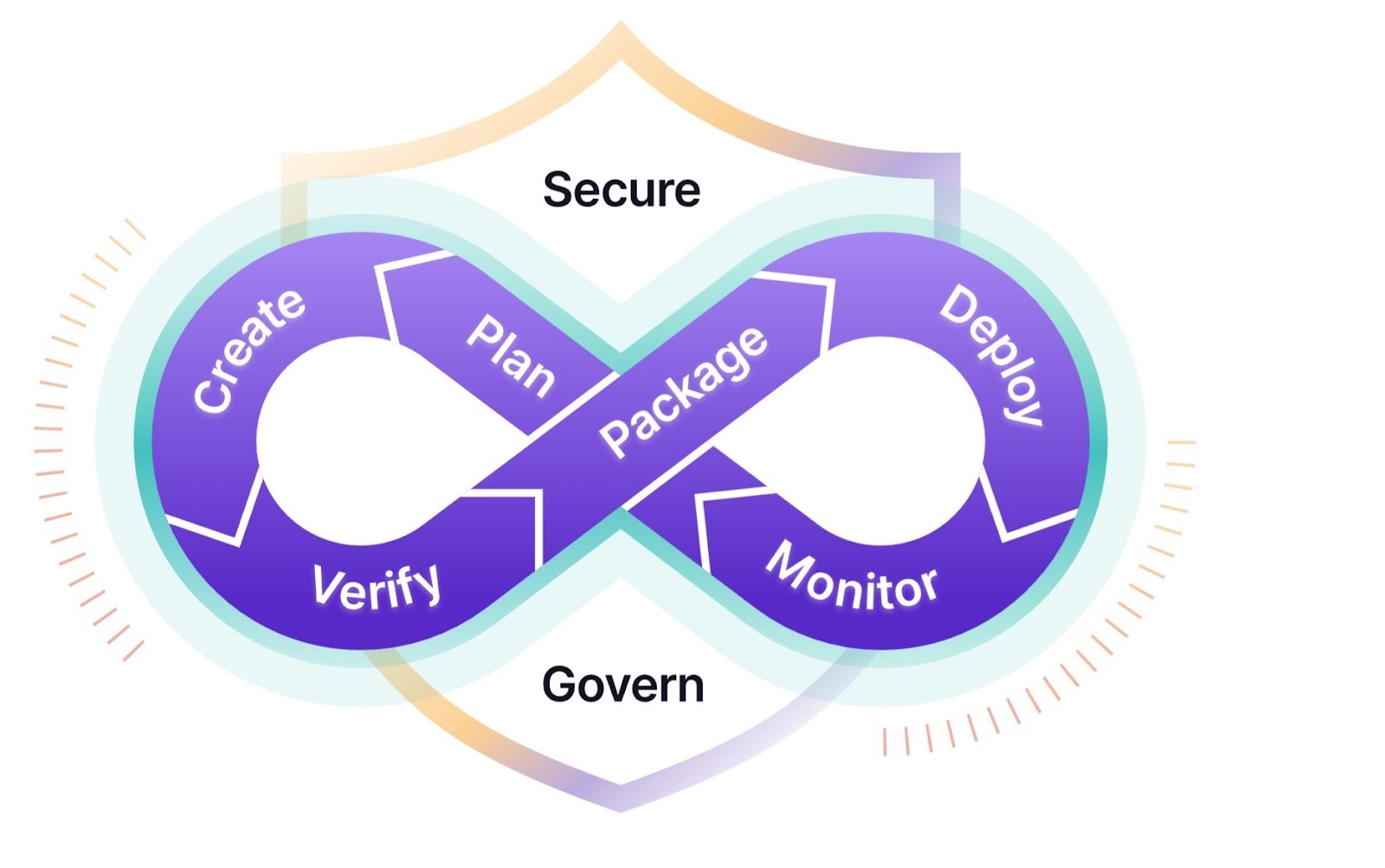
The shift to DevSecOps and Security as Code is no longer optional, it is fundamental. In outsourced software delivery, security practices are being embedded across the pipeline rather than treated as a final gate. This means automated compliance checks, continuous vulnerability scanning, signed artifacts, and zero trust principles are woven into every deployment stage. This trend has two powerful implications. First, outsourcing partners can deliver more secure, production-ready systems with fewer reworks, critical for sectors like fintech, healthcare, or eCommerce where compliance is non-negotiable. Second, security automation reduces friction between DevOps and security teams by allowing checks to happen in the same flow rather than as a separate, slowing process. It represents a cultural shift where responsibility for system safety is shared, not siloed.
In 2026, observability goes well beyond traditional dashboards and alerts. Instead, adaptive telemetry and unified observability platforms provide real time, context aware visibility across applications, microservices, and infrastructure. This allows outsourced teams to monitor systems not just for issues but for nuanced performance patterns that signal upcoming risks. For clients, the result is vastly improved reliability. When a production service behaves unexpectedly, adaptive telemetry can surface precise root causes, correlate metrics across environments, and even trigger automated mitigations. Outsourced operations teams are empowered to respond faster, especially when third party releases interconnect across distributed systems.
Edge computing, running workloads closer to users and devices, is reshaping DevOps automation practices. Edge DevOps means lightweight, automated CI/CD at remote clusters, secure over the air updates, and dynamic workload routing between cloud and edge environments. Outsourced software teams that master edge deployment automation can deliver solutions with ultra low latency and high reliability, crucial for sectors like IoT, logistics, and media streaming. With edge architectures, centralized cloud pipelines are extended, not replaced, and automation plays a vital role in orchestrating secure, consistent releases across the entire network.
One of the most disruptive trends for 2026 is the convergence of low code/no code platforms with DevOps automation. These tools let business users and citizen developers spin up features or workflows using visual interfaces, while DevOps systems enforce governance, security, and deployment automation behind the scenes.
For outsourced project delivery, this means faster prototyping and tighter alignment with business goals. Clients gain transparency into development progress through less technical artifacts, and teams can maintain enterprise grade reliability by folding these low code components into automated pipelines, observability frameworks, and security policies.
By next year, the industry is pushing past traditional deployment gates that stagnate delivery. Instead, continuous validation loops powered by automation and AI dynamically check, monitor, and adjust deployments in real time. This trend transforms how outsourced projects are delivered. Rather than waiting for human sign offs at discrete stages, systems self verify until confident enough to promote changes. Clients benefit from faster release frequency without compromising quality. Engineers retain control through configurable policies, but the system handles the heavy lifting, reducing handoffs and potential bottlenecks.
A major cultural shift shaping 2026 DevOps is the move toward autonomy with accountability, where teams augment human expertise with intelligent systems. AI does not replace engineers, it handles predictable tasks and surfaces insights that help teams make better decisions faster.
For outsourcing firms, this trend is empowering teams to deliver more value per engineer. The focus shifts from repetitive operations to resilience engineering, experimentation, and client collaboration. Outsourced talent can leverage AI assistants to generate contextually relevant code suggestions, perform automated root cause analysis, and optimize pipelines for performance and cost.
DevOps and automation trends in 2026 are redefining outsourced software projects. The era of basic CI/CD pipelines is giving way to intelligent, security first, fully automated ecosystems where AI and human engineers collaborate seamlessly. Platform engineering, GitOps, edge automation, and adaptive observability are core competencies that separate successful outsourced delivery partners from the rest. Clients choosing outsourcing partners in 2026 will expect not just speed and quality but predictability, security, and resilience, all delivered through automated systems designed to scale. Teams that embrace these trends will unlock faster innovation, lower risk, and stronger business outcomes for their clients.
Blue Coding helps companies turn DevOps and automation into real delivery advantages, not just technical upgrades. Our teams work as an extension of yours, aligning modern DevOps practices with your business goals, timelines, and scale requirements. From building automation first pipelines and secure cloud infrastructure to enabling platform engineering and continuous delivery, we focus on creating systems that are reliable, scalable, and built for long term growth. We bring deep experience working with distributed teams, complex architectures, and fast moving products, ensuring every outsourced project runs smoothly from planning to production. If you are ready to modernize your software delivery and build faster with confidence, contact us to explore how Blue Coding can support your DevOps and automation goals. We also offer a complimentary strategy call!


Subscribe to our blog and get the latest articles, insights, and industry updates delivered straight to your inbox