What is nearshoring? This beginner guide breaks down the nearshore outsourcing process. Learn to scale your team with high quality developers and get expert tips from Blue Coding.


.svg)
.svg)
Many companies today find that local hiring is slow and expensive. When you need to scale your team quickly, looking to neighboring countries is often the most effective solution. This guide breaks down every part of the nearshore model so you can understand exactly how to get started.
Nearshore outsourcing is a business strategy where you hire a team in a nearby country instead of your own. For a company in the United States, this usually means working with developers in Latin America. The main goal is to find high quality talent while keeping the same time zone and cultural habits. Unlike offshore outsourcing, which might involve a twelve hour time difference, nearshoring allows your remote team to work the same hours as your local office. This makes communication much easier and helps projects move faster.
To understand how nearshoring works, you should think of it as an extension of your existing team. You are not just throwing a project over a wall and waiting for it to be finished. Instead, you are building a collaborative environment where remote engineers participate in your daily meetings and contribute to your company culture. Most businesses choose this model because it balances cost and convenience. You save money compared to hiring locally, but you do not suffer from the massive communication delays that often happen with teams on the other side of the world. The proximity also means that if you ever need to meet in person, a flight to a neighboring country is much shorter and cheaper than a trip across the ocean.
Starting a partnership requires a structured approach to ensure you find the right fit. Here is the nearshore outsourcing process broken down into clear stages:
Before you look for a partner, you must know what you are looking for. Are you trying to build a new product from scratch? Or do you just need two extra React developers to help your current team? Write down your technical requirements, your budget, and your expected timeline.
The next step is finding a reputable nearshore provider. Look for companies that have experience in your specific industry. Check their case studies and read reviews from other clients. You want a partner that has a proven track record of finding and retaining top talent.
Once you have a shortlist of candidates, you should interview them just as you would a local hire. Check their coding skills, but also pay attention to their soft skills. Since they will be part of your daily workflow, they need to communicate clearly and understand your business goals.
After choosing your team, you need to handle the paperwork. This involves signing contracts that cover intellectual property rights, data security, and service level agreements. A good partner will already have these frameworks in place to protect your business.
The first few weeks are the most important. You should introduce the new team to your internal processes, tools, and communication channels. Setting clear expectations early on will prevent many problems later.
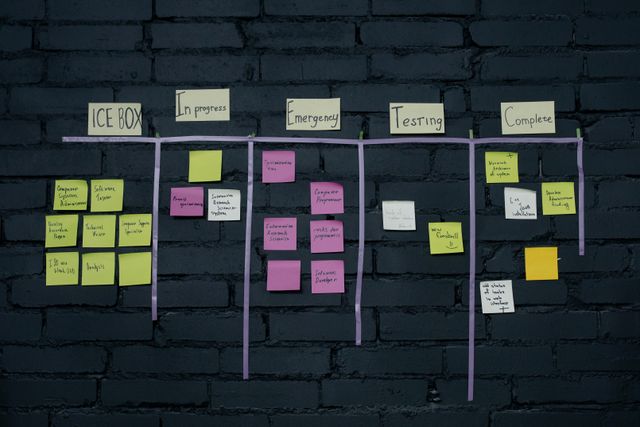
The nearshore development lifecycle follows a similar path to traditional software development, but it places a heavy emphasis on real-time collaboration. Because you share a time zone, you can use Agile methodologies very effectively.
During this phase, the nearshore team works with your product owners to define the scope of the work. You create a backlog of tasks and decide which features are the most important to build first.
Next, the developers and architects plan how the software will be built. They choose the right technologies and design the system to be scalable and secure. This is where the foundation of your project is laid.
This is the core of the nearshore development lifecycle. The team builds the software in small chunks called sprints. At the end of every sprint, they show you what they have finished. This allows you to give feedback immediately and make changes if necessary.
Testing happens throughout the entire process, not just at the end. Nearshore testers check the code for bugs and ensure it meets your quality standards. Shared working hours mean that developers can fix issues as soon as they are found.
Once the software is ready, it is released to users. The nearshore team continues to monitor the system and provide support. They can handle updates, bug fixes, and new feature requests to keep the product running smoothly.
If you are new to this, it can feel overwhelming. Following this IT outsourcing step by step checklist will help you stay organized:
One reason the nearshore outsourcing process is so successful is cultural similarity. Teams in nearby countries often share a similar work ethic and communication style. This reduces the risk of misunderstandings that can happen when there is a large cultural gap. When your remote team understands your business values and your sense of urgency, they become more than just contractors. They become true partners who are invested in the success of your project. This alignment is often the difference between a project that barely finishes and one that exceeds expectations.
Managing a distributed team requires trust and transparency. You should treat your nearshore developers exactly like your local staff. Include them in company announcements, invite them to virtual social events, and provide them with the same feedback you give to your internal team. Using project management tools like Jira or Asana is essential. These tools provide a clear view of what everyone is working on and help prevent tasks from being forgotten. When everyone can see the project roadmap, there is less confusion and more productivity.
While saving money is a big part of the IT outsourcing step by step journey, you should focus on value rather than just the lowest price. The cheapest developers might lack the experience or communication skills needed for complex projects. Nearshoring offers a middle ground. It is more affordable than hiring in major tech hubs like San Francisco or New York, but it provides a higher level of service and integration than traditional offshore models. You are paying for a team that can actually help you grow your business, not just someone who follows instructions blindly.
Blue Coding acts as your dedicated partner in growth, bridging the gap between ambitious companies and the elite software developer pool in Latin America. We believe that high quality software starts with great people, which is why we go beyond basic resumes to find engineers who truly align with your business goals and culture. Our mission is to take the stress out of scaling by handling the vetting and logistics, allowing you to focus on innovation. If you are ready to see how a professional nearshore team can transform your development process, we invite you to schedule a complimentary call with us to explore the possibilities. Contact us now and we will book a complimentary strategy call!


Subscribe to our blog and get the latest articles, insights, and industry updates delivered straight to your inbox