Realize the full potential of telecom digital transformation through specialized automation and edge computing. This guide breaks down how bespoke software architectures reduce latency and improve operational agility.


.svg)
.svg)
The telecommunications industry is currently moving faster than ever before. For years, the focus was simply on providing basic connectivity, making sure calls went through and data moved from point A to point B. But the game has changed. Telecom companies are no longer just utility providers and are evolving into Techcos that provide integrated technology and managed digital experiences.
The secret behind this massive shift is custom telecom software.
While off-the-shelf platforms served their purpose in the past, they often struggle to keep up with the demands of 5G, edge computing, and AI-native networks. To truly lead the market, companies are turning toward specialized solutions that fit their unique operational needs.
We are seeing a decisive new phase in how networks are built. The focus has moved beyond simple cloud adoption toward creating AI-ready infrastructures. Traditional systems are often too rigid to handle the complexity of modern traffic. This is where telecommunications software solutions come into play.
By building custom layers instead of relying on generic hardware-locked software, operators can now automate the full lifecycle of their network functions. This includes everything from initial provisioning to predictive maintenance. When a system is custom-built, it can use Agentic AI to not only identify a potential network failure but actually take action to fix it before the user even notices a drop in service.
If you are a growing business in the telecom space, you probably know the feeling of hitting a wall with pre-built software. Features are missing, processes do not line up, and you end up forcing your team to adapt to the tool rather than the other way around.
Custom telecom software fixes these friction points. Here is why it is becoming a strategic necessity:
Digital transformation is a big phrase that gets thrown around a lot, but in practice, it means replacing outdated, siloed models with agile, software-centric approaches. Telecom digital transformation is currently being driven by four major forces: AI, edge-native infrastructure, sustainability, and the shift toward autonomous operations.
For example, many operators are now using custom software to manage Edge Computing. By placing data processing closer to the user, at cell towers or regional hubs, latency is drastically reduced. This enables high-performance services like autonomous vehicle coordination or real-time industrial IoT monitoring. You cannot manage thousands of these distributed edge nodes manually. You need a custom automation layer that handles the complexity for you.
Furthermore, digital transformation allows for better customer experiences. When your backend systems are integrated, your customer support team can see exactly why a user is having a connection issue in real-time. This reduces the time spent on troubleshooting and increases overall customer satisfaction.
The era of simple AI chatbots is over. We are seeing the rise of AI-native architectures. This means that instead of just adding AI to an old system, new network capabilities are being designed from the ground up with machine learning embedded in the core.
Telecom network software development is the engine behind this. Specialized teams are now building intent-based orchestration layers. These layers act as guardrails for AI agents, ensuring that automation remains predictable and aligned with the operator goals. This shift allows for self-healing networks that optimize energy usage and capacity in real-time, which is essential as traffic demands continue to soar.
Automation also plays a huge role in zero-touch provisioning. In the past, setting up a new enterprise client might have taken weeks of manual configuration. With a custom-developed software stack, this process can happen in minutes. The software automatically configures the network slices, sets the security protocols, and starts the billing cycle without human intervention.
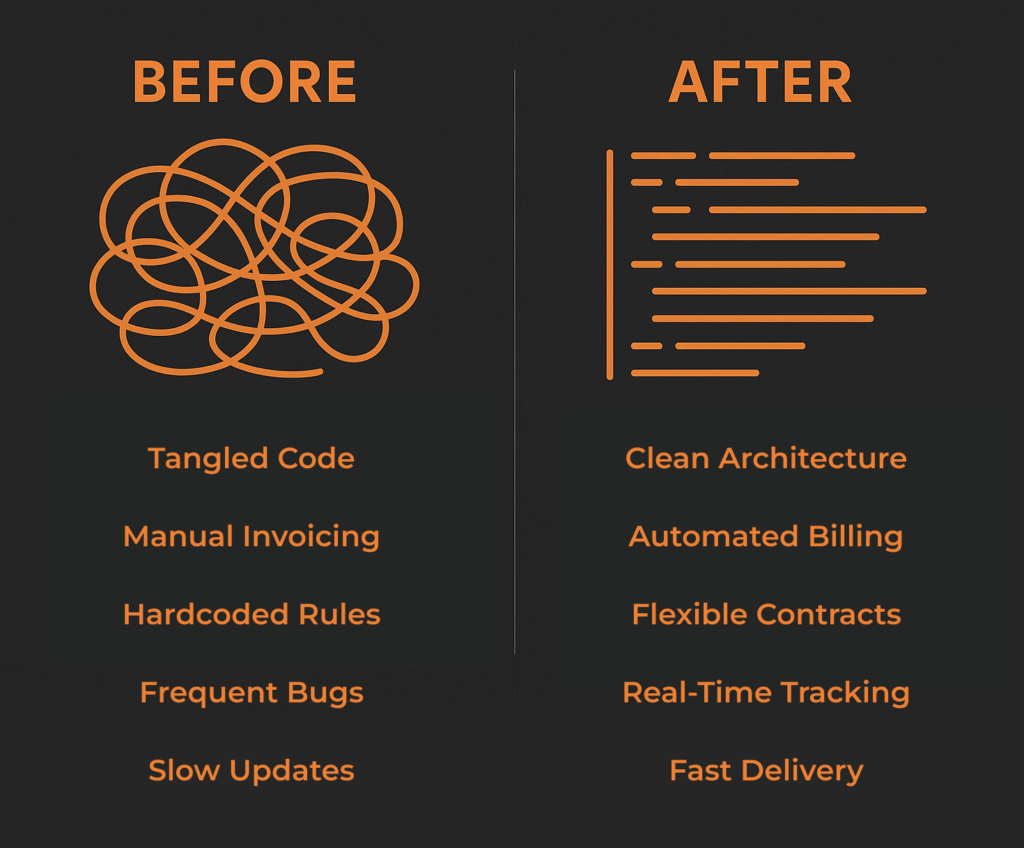
It is not just about the technical side. Custom software is also revolutionizing how telecom companies make money. As basic connectivity becomes a commodity, margins are shrinking. To counter this, operators are testing smarter, value-based pricing models.
With custom AI-driven messaging intelligence, a company can classify traffic into critical versus non-critical categories. This allows them to align costs with the actual value of a message. Some reports suggest that this kind of smart pricing can increase A2P (Application-to-Person) SMS revenues by over 100 percent. These financial gains are only possible when the software is flexible enough to handle complex, real-time data analysis.
Another area of growth is the API economy. By using telecommunications software solutions, providers can expose their network capabilities as APIs. Developers can then pay to use these APIs to build their own apps. For example, a banking app might use a telecom API to verify a user location for fraud prevention. This creates an entirely new revenue stream that did not exist with traditional hardware-focused setups.
One of the most overlooked benefits of custom development is the reduction of technical debt. When you use generic software, you often have to build workarounds to make it work for your specific business. Over time, these workarounds pile up, making your system slow and fragile.
By investing in telecom network software development, you are building a clean foundation. You only build the features you need, which makes the system easier to maintain. It also makes it easier to onboard new employees, as the software is designed to follow your specific company workflows rather than a generic industry standard.
Additionally, energy efficiency is becoming a top priority. Data centers and cell towers consume a massive amount of electricity. Custom software can monitor traffic patterns and put certain parts of the network into a low-power mode during off-peak hours. This not only saves money but also helps companies meet their sustainability goals.
The rollout of 5G has been a major catalyst for custom software. Unlike previous generations of mobile networks, 5G is almost entirely software-defined. It relies on a concept called network slicing, where one physical network is divided into multiple virtual networks.
Each slice can have different characteristics. For example, one slice might be optimized for low latency for a hospital, while another is optimized for high bandwidth for a stadium. Managing these slices requires a level of precision that generic software cannot provide. This is where telecom digital transformation becomes real. Companies need custom dashboards to monitor the health of each slice and ensure they are meeting their service level agreements.
As we look toward the future, the trend is clear. The winners will be the ones who treat software as core infrastructure rather than just a support tool. Whether it is managing the expansion of low-earth orbit satellites or rolling out private 5G networks for smart factories, the demand for high-quality telecommunications software solutions is only going to grow.
By focusing on telecom network software development, businesses can move from being pipes for data to being true technology partners. This shift reduces technical debt, protects future growth, and provides a better experience for the end user.
The transformation is complex, but the path forward is through tailored, intelligent software that bends to your business goals. Companies that embrace this change now will be the ones setting the standards for the next decade of global communication. The goal is to build a network that is not just fast, but also smart, secure, and ready for whatever comes next. Custom software is the only way to achieve that level of flexibility and control in a market that never stops evolving.
Transforming a legacy network into a modern, software-defined powerhouse requires more than just code. It requires a partner who understands the intersection of high-scale engineering and business growth. If your organization is ready to move beyond off-the-shelf limitations, a dedicated team of specialists at Blue Coding is standing by to help you map out a custom technical roadmap. You can explore the possibilities for your next project by scheduling a free strategy call to discuss your goals and how a tailored approach can drive your digital evolution forward. Contact us now and book your call!


Subscribe to our blog and get the latest articles, insights, and industry updates delivered straight to your inbox