Refine your software strategy Q4 with proven methods for software planning optimization. Turn your Q3 business insights into a roadmap for high-performance delivery.

.svg)
.svg)
The transition from September to October is the most critical pivot point for any technology driven business. As we move into the final stretch of the year, the pressure to hit annual targets intensifies. Recent industry data suggests that by 2027, over 70% of enterprise software spending will be driven by real time data adjustments rather than static annual plans. This means that your ability to pivot right now is what will define your success. Many companies make the mistake of looking at Q3 results as a simple report card. In reality, that data is a roadmap. If you want to finish the year strong, you have to understand how to use Q3 insights to improve software strategy for Q4. This is about refining your engine while it is still running. When you look at the metrics from July, August, and September, you are looking at the literal blueprint for your October, November, and December success.
Before you can plan for the holiday season and the year end rush, you need to look back at the last three months with a critical eye. Your Q3 business insights are the most honest feedback your company will ever receive. Did your latest feature release actually drive engagement, or did it just increase your technical debt? Often, we get caught up in the excitement of a launch without pausing to see if that launch actually moved the needle on our primary goals. Start by analyzing your development velocity and your sprint completion rates. If you noticed a dip in productivity during August, was it due to scheduled vacations or a fundamental bottleneck in your CI/CD pipeline? High performing teams use these insights to adjust their capacity planning for the final quarter. You cannot expect a sudden 20% increase in output in December if your Q3 data shows a consistent plateau. Use the cold, hard numbers to set realistic expectations. In many cases, the noise comes from minor bugs that do not affect the bottom line. However, the signal is found in the recurring issues that frustrate your power users. If your support tickets in Q3 were dominated by a single integration issue, that is your primary directive for Q4. Software strategy is not just about new features. It is about ensuring the existing foundation is strong enough to support the weight of year end traffic.
One of the most effective ways to ensure software planning optimization is to identify which projects are underperforming. Q3 is long enough to see if a new initiative is gaining traction. If a particular software tool or internal project is not meeting its KPIs by now, Q4 is not the time to double down out of sunk cost guilt. Redirect those resources. In the final quarter, your software strategy should focus on finishing rather than starting. Shift your best developers away from experimental R&D and toward stabilizing the core product. This ensures that when the year end traffic spikes hit, your infrastructure is rock solid. Optimization is as much about what you stop doing as what you continue doing. Think of your development backlog like a garden. By the time you hit October, you should have identified which plants are thriving and which are withered. Pruning the projects that have no clear path to revenue by December 31st allows your team to focus their energy on the high performers. This level of focus is what separates market leaders from those who simply finish the year exhausted.
Q4 is often synonymous with code freeze for many industries, especially retail and finance. Your software strategy Q4 must account for this. Look at the bugs that were reported in Q3. Are they minor annoyances, or are they potential deal breakers for a year end sale? Prioritize technical debt that directly impacts user retention. If your Q3 data shows a high bounce rate on a specific landing page, that is a software priority. Use this time to polish the user interface and reduce load times. A faster, more reliable application is often more valuable for Q4 revenue than a brand new feature that might introduce fresh bugs.
We often think of technical debt as something to be managed later. But in the context of how to use Q3 insights to improve software strategy for Q4, technical debt is a financial liability. If your checkout process is slow, or your API calls are lagging, you are leaving money on the table. Use the quiet moments of early October to refactor the code that will be under the most stress during the holiday season.
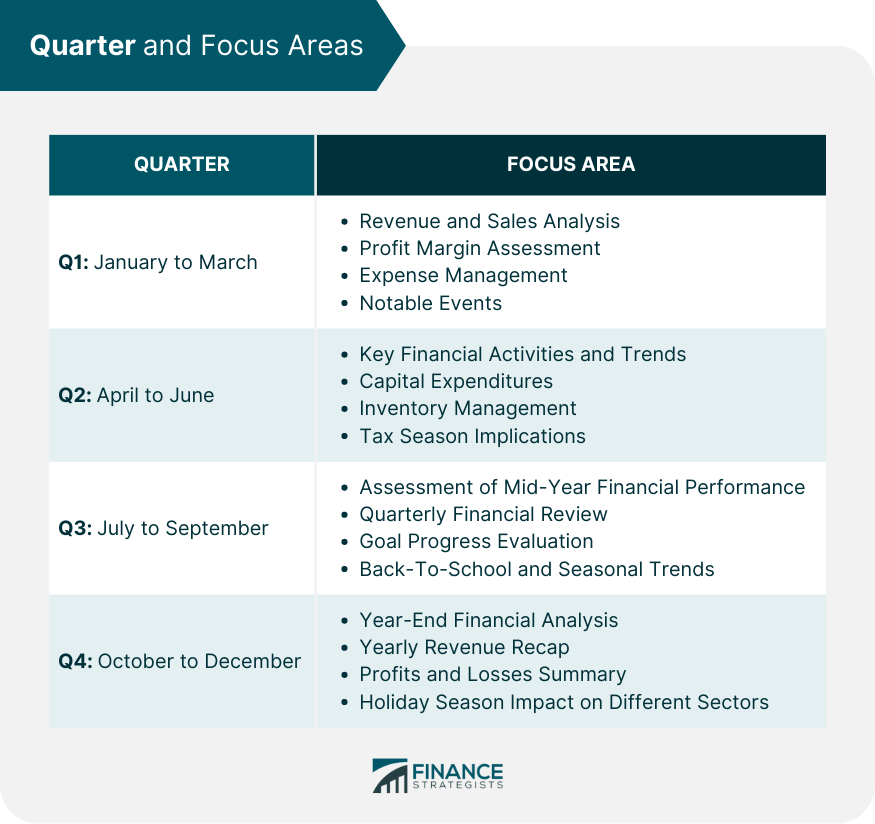
Market conditions can shift rapidly between July and September. Perhaps a competitor launched a new tool, or a new AI integration became industry standard. Knowing how to use Q3 insights to improve software strategy for Q4 involves looking outward as much as inward.
If your Q3 sales calls revealed that customers are constantly asking for a specific integration, make that the centerpiece of your October and November sprints. Software planning optimization requires you to be brave enough to change the backlog based on what the market is telling you right now. Do not stick to a January plan in an October world. The landscape of technology moves too fast for rigid adherence to outdated roadmaps.
Consider the feedback from your sales and customer success teams as vital data points. They are on the front lines hearing what the users actually want. If Q3 was a story of missed opportunities because of a missing feature, Q4 should be the story of how you filled that gap. This responsiveness builds immense trust with your client base and sets a positive tone for the upcoming year.
Your software is only as good as the people building it. Did your Q3 insights show that your in house team is burnt out? Or perhaps you realized you lack a specific expertise in cloud security or mobile optimization? Q4 is a notoriously difficult time to hire full time employees because of the holidays and budget cycles. This is where your software strategy Q4 needs to get creative. Many successful firms look toward staff augmentation or nearshoring to fill these gaps quickly. By bringing in specialized talent for a three month burst, you can clear your backlog and enter the new year with a clean slate.
Reflecting on the personnel data from Q3 is essential. If you saw a high turnover rate or a decrease in code quality, it might be an indicator that your team is overextended. Scaling your team does not always mean adding permanent headcount. It means adding the right skills at the right time. Use your Q3 business insights to identify where your team struggled the most and provide them with the support they need to finish the year without burning out.
Finally, look at your infrastructure costs. Did your Q3 cloud billing surprise you? As you work on software planning optimization, look for ways to automate your scaling. Q4 often brings unpredictable traffic. If your Q3 insights show that your manual scaling efforts were slow or expensive, spend the first few weeks of Q4 implementing better automated monitoring. This proactive approach prevents firefighting in late December. When you use Q3 business insights to predict your server needs, you save money and protect your brand reputation during the most competitive time of the year. Reliability is a feature, and in Q4, it is perhaps the most important feature you can offer.
Analyze your peak usage times from the previous quarter. Did you have downtime during a major promotion? Did your latency increase during high traffic periods? These are not just technical glitches. They are losing revenue opportunities. By optimizing your cloud environment based on Q3 performance data, you ensure that your software can handle whatever Q4 throws at it.
Most departments have a use it or lose it budget policy as the year ends. However, spending for the sake of spending is a recipe for waste. Instead, look at your Q3 spend versus your Q3 performance. Where did you get the most bang for your buck? Maybe it was a specific security tool that prevented a breach, or a new testing framework that reduced deployment errors. In your software strategy Q4, allocate your remaining funds toward the tools and services that proved their worth in the previous months. This is also an excellent time to invest in training for your team or upgrading your development environment to set a strong foundation for the coming year.
To win the final quarter, you must be disciplined and data driven. Use your data to:
The bridge between a good year and a great year is built in October. By taking the time to understand how to use Q3 insights to improve software strategy for Q4, you are not just reacting to the past. You are engineering your future success. Every data point from the third quarter is a lesson learned. If you apply those lessons correctly, your fourth quarter will not just be a sprint to the finish line. It will be a victory lap.
Navigating the complexities of software scaling and strategic planning can be challenging, especially when deadlines are tight. Blue Coding specializes in helping companies find the right technical talent and strategy to meet their most ambitious goals. Whether you need to augment your team with expert developers or need advice on optimizing your development lifecycle, we are here to help. We offer a first free call for any queries you might have about your current projects or future roadmap. Book your call now to discuss how we can help you finish the year stronger than ever.


Subscribe to our blog and get the latest articles, insights, and industry updates delivered straight to your inbox