Struggling with Q4 software release planning? Learn how to avoid the technical debt trap and ensure a stable launch with our developer-focused roadmap to success.


.svg)
.svg)
The final quarter of the year is usually a mix of two things: holiday excitement and absolute chaos in the engineering department. While everyone else is picking out sweaters, developers are usually staring at a Jenkins pipeline praying it does not turn red. An end-of-year product launch checklist is often the only thing standing between a successful release and a site down notification during your holiday dinner. At Blue Coding, we have seen that the difference between a smooth Q4 and a stressful one is not just about how much coffee you drink. It is about how you structure your software release planning roadmap.
Here is how you can navigate the Q4 madness without losing your mind.
In a perfect world, we would ship features right up until December 24th. In the real world, that is a recipe for a disaster. A core part of any Q4 product launch strategy is establishing a strict code freeze date. Late stage changes introduce regression risks. By mid November, you should stop adding nice to have features and shift entirely to stability and bug fixes. If you are not freezing your code at least two weeks before the big launch date, you are not preparing. You are gambling.
The Holiday Effect is real. Whether you are in e-commerce or SaaS, traffic spikes in Q4 are more aggressive than at any other time. Your product launch preparation for developers must include load testing. Do not just test for your average daily users. Test for five times or ten times that amount. Ensure your cloud environment is configured to scale horizontally before the CPU hits 90 percent. Check for slow running queries that might bottleneck when the tables get heavy.
Nobody wants to be on call during the holidays. However, a software release planning roadmap that ignores the human element is bound to fail. Responsibility during a launch must be split clearly. The DevOps team focuses on monitoring server health and scaling triggers. The Backend team keeps an eye on API latency and database performance. The Frontend team tracks UI bugs and CDN cache issues. Finally, the Support team relays real time user feedback to the dev team. Create a rotating schedule early. This prevents burnout and ensures that if something does go sideways, there is a clear point of contact who is not already busy with family.
Q4 is prime time for bad actors. While you are focused on the end-of-year product launch checklist, hackers are looking for vulnerabilities in rushed code.
The sales team loves to promise one last little thing before the year ends. As a developer, your job in the Q4 product launch strategy is to be the voice of reason. Every new line of code added in December carries a higher risk weight than code added in June. Use data to explain that a stable, existing feature set is better for the brand than a buggy, rushed one.
If you are planning to take time off, your documentation needs to be airtight. If a server dies at 2 AM, can a junior dev follow your instructions to get it back up?
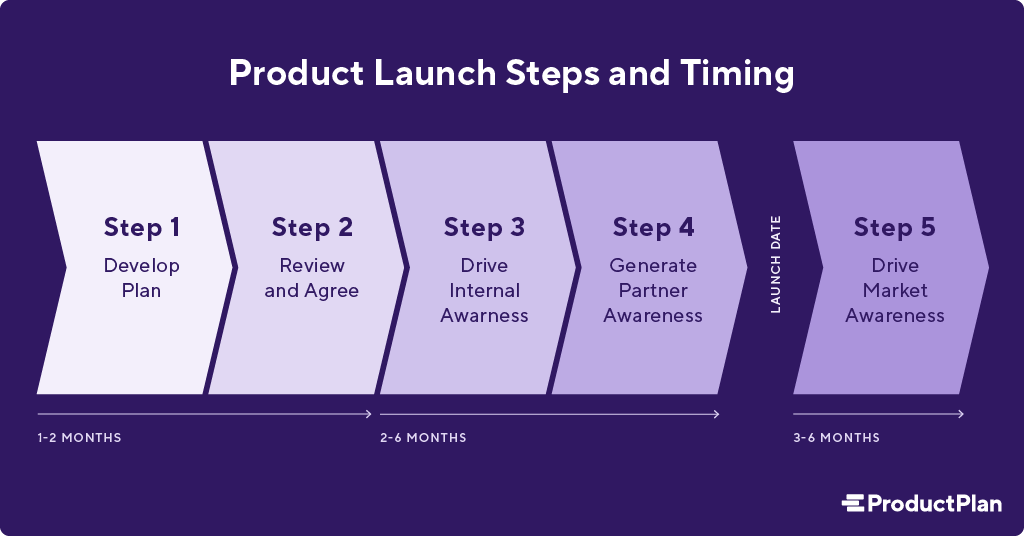
The work does not end when the Deploy button is pressed. Effective product launch preparation for developers includes setting up dashboards that give you a pulse of the release. Use tools for error tracking and performance metrics. If you see a spike in errors immediately after launch, you need to know before the customer support tickets start flooding in.
As the deadline approaches, the temptation to cut corners is massive. We call this the Q4 Technical Debt Trap. When you are rushing an end-of-year product launch checklist, you might be tempted to skip writing unit tests or leave a TODO in the code. Resist this. Technical debt accrued in December is twice as expensive to fix in January. When the system breaks on a weekend, you will regret every hack you pushed to meet a midnight deadline. A proper software release planning roadmap accounts for technical debt by allocating at least 20 percent of the sprint to refactoring and stability.
A successful Q4 product launch strategy relies on transparency. If a feature is running late, the dev team needs to speak up early. Silence is the enemy of a good launch. Use a dedicated Slack channel or Discord server for the launch. Keep the noise low by only posting critical updates and blocking out automated bot notifications that are not urgent.
One of the scariest parts of a holiday launch is the database migration. If you have a massive user base, even a simple schema change can lock tables and cause downtime. Run migrations during off peak hours. Test migrations against a production clone. Have a verified backup before you run anything. In your product launch preparation for developers, treat the database as the most fragile part of the system. It usually is.
Developers often focus on the happy path. But during a big Q4 launch, users will do things you never expected. They will refresh the checkout page ten times. They will try to apply five different discount codes. Your end-of-year product launch checklist should include a session of destructive testing. Try to break the system. What happens if the payment gateway is slow? What if the user loses the internet halfway through a transaction? Building for the worst case scenario is the best way to ensure the best case result.
You are not the only company launching things in December. Your third party providers are also stressed. Whether it is a payment processor like Stripe or an email service like SendGrid, check their status pages regularly. Part of a robust software release planning roadmap is having a failover plan. If your primary image hosting service goes down, do you have a backup? If your analytics tool stops reporting, will it crash the frontend? Using asynchronous loading for non critical scripts is a lifesaver here.
Manual testing is not enough when you are scaling for the end of the year. Your Q4 product launch strategy should rely heavily on automated regression suites. If you change a small CSS file, you need to be sure it does not break the checkout button on mobile devices. Automated testing gives the team confidence. It allows you to move faster without the constant fear of breaking core functionality. Ensure your CI and CD pipelines are optimized and that failed tests actually block the deployment.
In the final days before the launch, perform a final review of your resource limits. Are your Kubernetes pods configured with the right memory requests and limits? Is your database connection pool large enough to handle the projected traffic? This is where the product launch preparation for developers becomes very technical. Tuning garbage collection in Java or optimizing the event loop in Node.js can make the difference between a site that responds in 200ms and one that times out.
Once the launch is over and the dust has settled, do not just move on to the next task. Hold a blameless post mortem. Discuss what worked in your Q4 product launch strategy and what fell apart. This data is gold for the future. Documenting these lessons while they are fresh is the final step in a truly professional product launch preparation for developers. Success in the final quarter is not about working the most hours. It is about having the best plan. By following a structured software release planning roadmap, you ensure that your hard work throughout the year actually pays off in a successful launch. Remember that a boring launch is a great launch. If there are no fireworks, no emergency meetings, and no frantic messages at midnight, you have done it right.
Planning for these high stakes moments is exactly where Blue Coding can support your team. We specialize in providing the technical talent and strategic oversight needed to navigate complex releases. Whether you need to scale your engineering capacity or audit your end-of-year product launch checklist, our experts are ready to help you cross the finish line with confidence. If you want to ensure your next big release is a success, we offer a complimentary strategy call. We can discuss your current goals and help you build a more resilient roadmap for your product! Contact us today to book your call!


Subscribe to our blog and get the latest articles, insights, and industry updates delivered straight to your inbox