Don’t let technical debt kill your growth! Perform a tech stack audit and find the perfect software refactoring strategy to keep your business moving fast.

.svg)
.svg)
At Blue Coding, we have seen it all. We have seen codebases that look like a clean, modern art gallery where every piece of logic is perfectly placed. We have also seen others that look like a basement full of tangled Christmas lights where one wrong move causes the whole string to go dark. If you are reading this, you probably suspect your system might be leaning toward the tangled lights category. Now, technology is literally sprinting! With the rise of Agentic AI, cloud native serverless architectures, and increasingly strict global data regulations, the old mentality of "if it is not broken, do not fix it" is quickly becoming a major business liability. But how do you know if you should just tighten a few bolts or tear the whole house down and start over? Let us look into our ultimate guide on refactoring vs rebuilding and how to navigate legacy system modernization without losing your mind, your team, or your budget.
Technology sometimes becomes challenging to work with. You might notice that adding a simple "Save" button now takes three weeks of development and somehow manages to break the login page. This is technical debt in its purest form. Nowadays, this debt is the silent killer of company agility. Before you make a move, you need to understand the health of your system. This process starts with a comprehensive tech stack audit.
Think of your software like a high performance vehicle. Even if it was the fastest car on the road five years ago, if you do not change the oil or upgrade the tires, it will eventually stall. In the world of software, the oil is your dependency updates and the tires are your frameworks. When these components age out, your entire business velocity slows down. You start spending more time on maintenance than on innovation. This is a dangerous place to be because while you are fixing old bugs, your competitors are launching new AI features.
If you check more than three of these boxes, your stack is likely aging out and you are in need of a tech stack audit:
A software refactoring strategy is about improving the internal structure of your code without changing its external behavior. Think of it like a high end home renovation. You are updating the plumbing, upgrading the wiring, and maybe knocking down a non structural wall, but the foundation stays the same. The goal is to make the code cleaner, more efficient, and easier for new developers to understand.
Refactoring is often the favorite choice of CFOs and Project Managers for a very good reason. It is lower risk and provides faster returns. You are cleaning up code smells, which are those confusing and bloated sections of code that make developers frustrated and slow down progress. By optimizing algorithms and updating dependencies, you can often see 20 percent to 30 percent speed improvements without a full rewrite.
This approach is cost effective because you are not paying for a blackout period where no new features are being built. You can refactor while you continue to ship updates to your users. Refactoring works best when your core architecture is still sound. If your house has a cracked foundation, no amount of fresh paint will save it. However, if the foundation is solid, a software refactoring strategy can extend the life of your application by years.
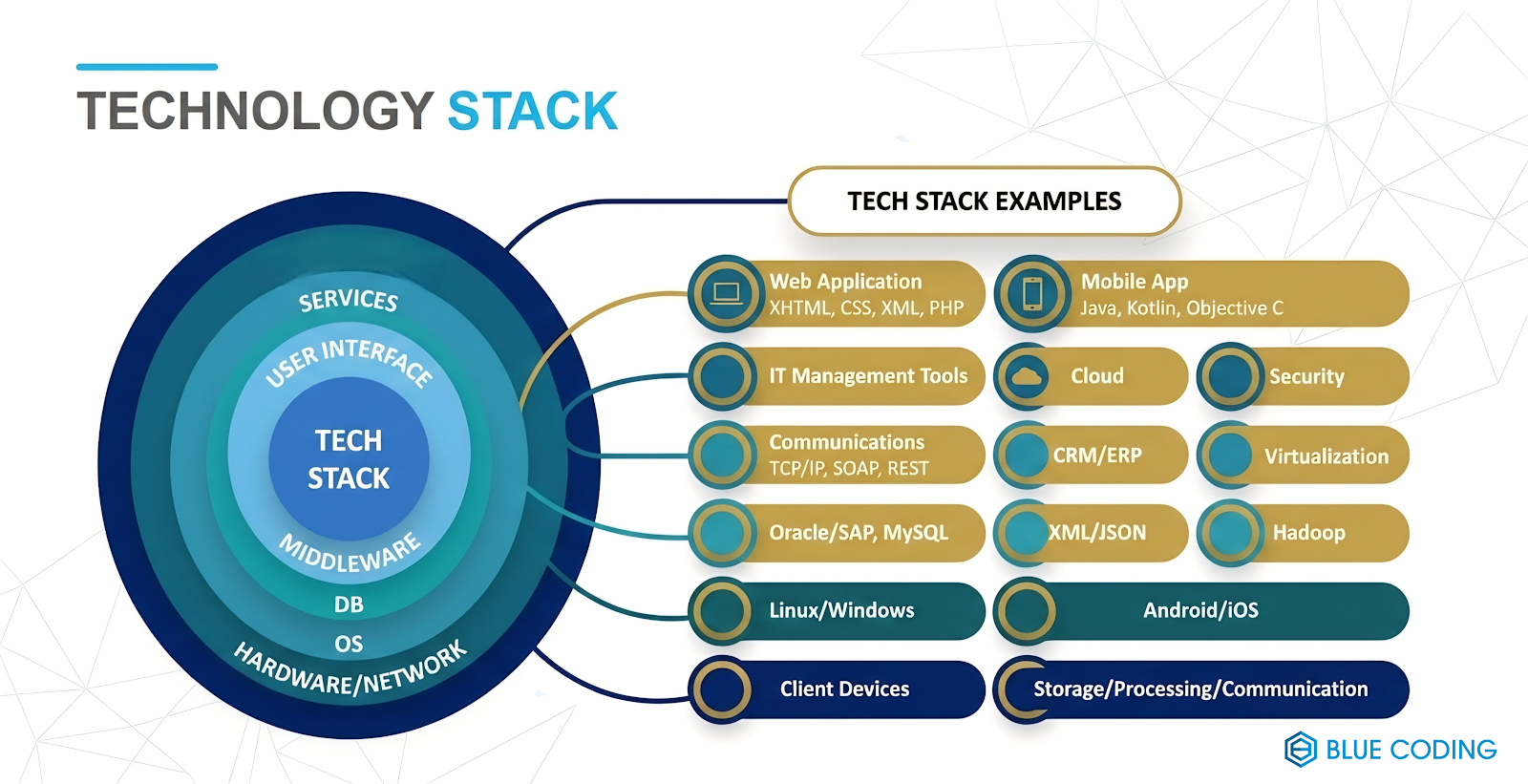
Sometimes, the rot is too deep. When we talk about legacy system modernization through a full rebuild, we mean throwing away the old codebase and starting fresh with a modern architecture. This usually involves moving from a monolith to microservices or a cloud native setup. It is a bold move, but sometimes it is the only way to survive in a competitive market.
You should carefully consider the debate of refactoring vs rebuilding and choose the latter when your framework is no longer supported by the community. If the creators of your tools have moved on, you are in a burning building. You should also consider a rebuild if you face AI incompatibility. Modern Agentic AI requires real time data flows and modular APIs that old systems simply cannot handle. If you want to integrate autonomous agents into your workflow, a legacy monolith will likely block you.
Another great reason to rebuild is the Strangler Opportunity. You do not always have to rebuild all at once. The Strangler Fig Pattern allows you to build new features in a modern stack while gradually replacing the old system until the legacy version is gone. This reduces the risk of a "big bang" failure where the new system does not work on launch day.
We often talk about code, but software is built by people. When a tech stack ages out, it is not just the software that suffers. Your engineering team loses morale. High quality developers want to solve interesting problems, not spend their entire day fighting with a decade old codebase that lacks basic documentation.
If you choose a rebuild, you give your team a chance to work with the latest tools, which can be a huge boost for retention. On the other hand, if you choose refactoring, you must ensure the team understands the value of the work. Refactoring can feel like cleaning a never ending mess if there is no clear goal. You must celebrate the small wins, such as when a specific module becomes easier to test or when a deployment time is cut in half.
Once you have decided on a path, the execution is where most companies fail. This is not just a technical challenge, it is a human one. Your developers need to be bought into the vision, and your stakeholders need to understand that progress might look slow before it looks fast. If you choose to rebuild, focus on Domain Driven Design. This means organizing your new code around business functions rather than technical layers. If you choose to refactor, focus on Hotspots. Use tools to identify which parts of your code change the most frequently and have the most bugs. Start your work there because that is where you will get the most value for your effort.
A successful plan also requires a Test First Mentality. You cannot refactor what you cannot test. Before touching a single line of old code, your team should write characterization tests to document what the system actually does. This ensures that when you clean up the code, you do not accidentally break a feature your users rely on.
You should also follow the Rule of Three. Don't refactor just for the sake of it. The first time you do something, you just do it. The second time, you notice the duplication. The third time, you refactor. This keeps the team focused on high value areas instead of getting lost in perfectionism. Finally, remember to modularize early. Break large files into smaller, functional pieces. This makes your code more readable and prepares you for a future where you might want to move that specific piece to the cloud or turn it into a standalone service.
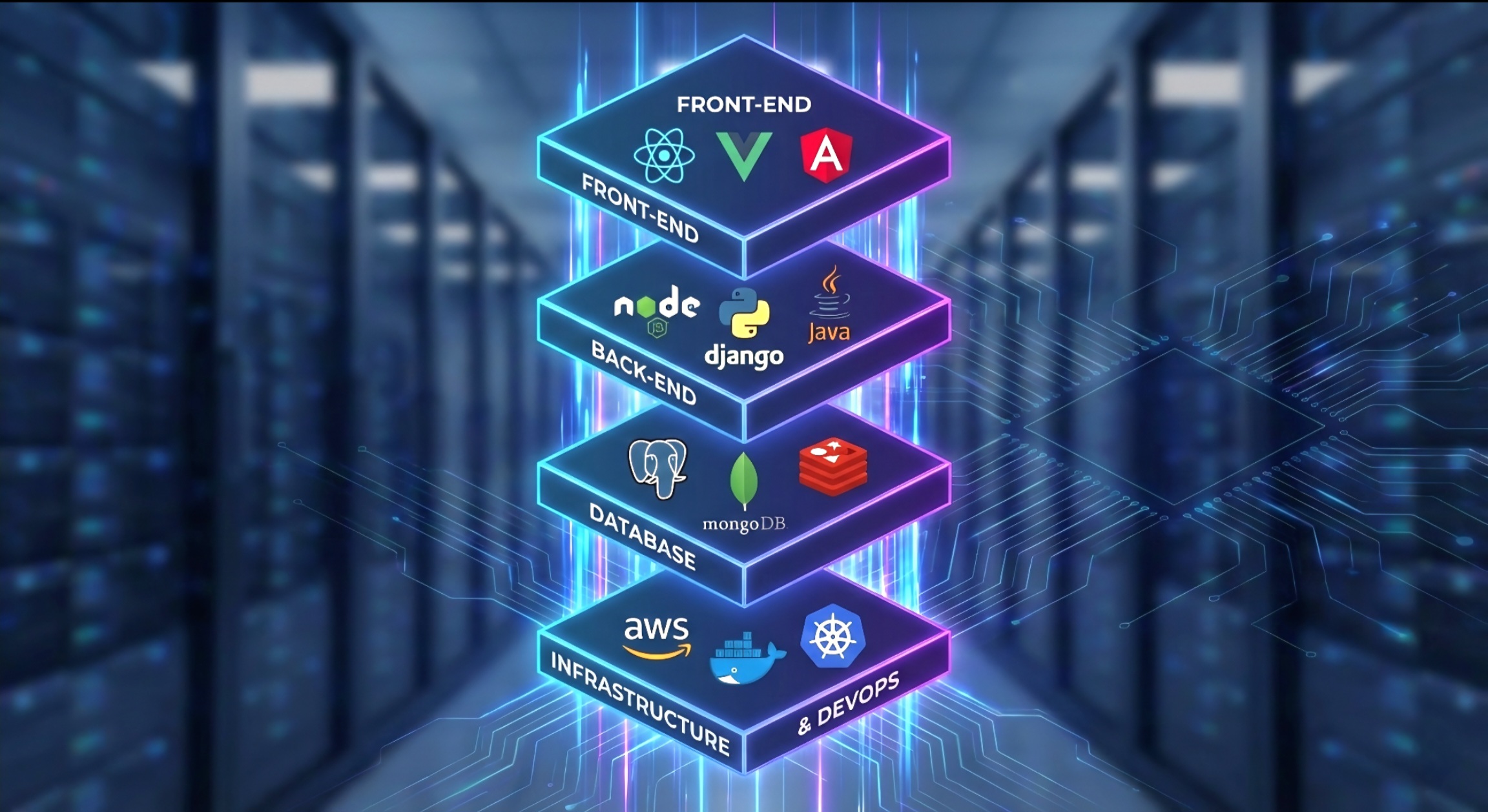
Currently, the stakes are higher than ever before. We are no longer just talking about moving from a server in the closet to the cloud. We are talking about AI readiness. Top performing companies are currently focused on making sure their data can be read by Large Language Models. This involves integrating vector databases and ensuring that data is clean and structured. Furthermore, every part of your system should be able to talk to an AI agent through clean APIs. Containerization using tools like Docker and Kubernetes is also vital. This makes your stack portable so it can scale instantly during peak loads. If your tech stack cannot do these things, you are not just old, you are becoming invisible to the modern market. The gap between companies with modern stacks and those with legacy systems is widening every day.
Blue Coding acts as your strategic partner in navigating the complex world of software evolution. Whether you are facing a massive legacy system modernization project or just need a clear software refactoring strategy, our team is built to handle the heavy lifting. We focus on transparency, technical excellence, and making sure your tech stack actually serves your business goals. We have spent years helping companies across the globe turn their technical debt into a competitive advantage. Our engineers look at the big picture to ensure you are ready for the AI driven future. We pride ourselves on being the bridge between where your technology is today and where it needs to be tomorrow. If you are ready to stop worrying about your old code and start building for the future, please contact us today to see how we can help your team level up. We will even arrange a complimentary strategy call for you!


Subscribe to our blog and get the latest articles, insights, and industry updates delivered straight to your inbox