Are you wondering how to secure instant payments with custom fintech software? Read our latest post on protecting real time transfers from fraud using advanced tokenization and AI.


.svg)
.svg)
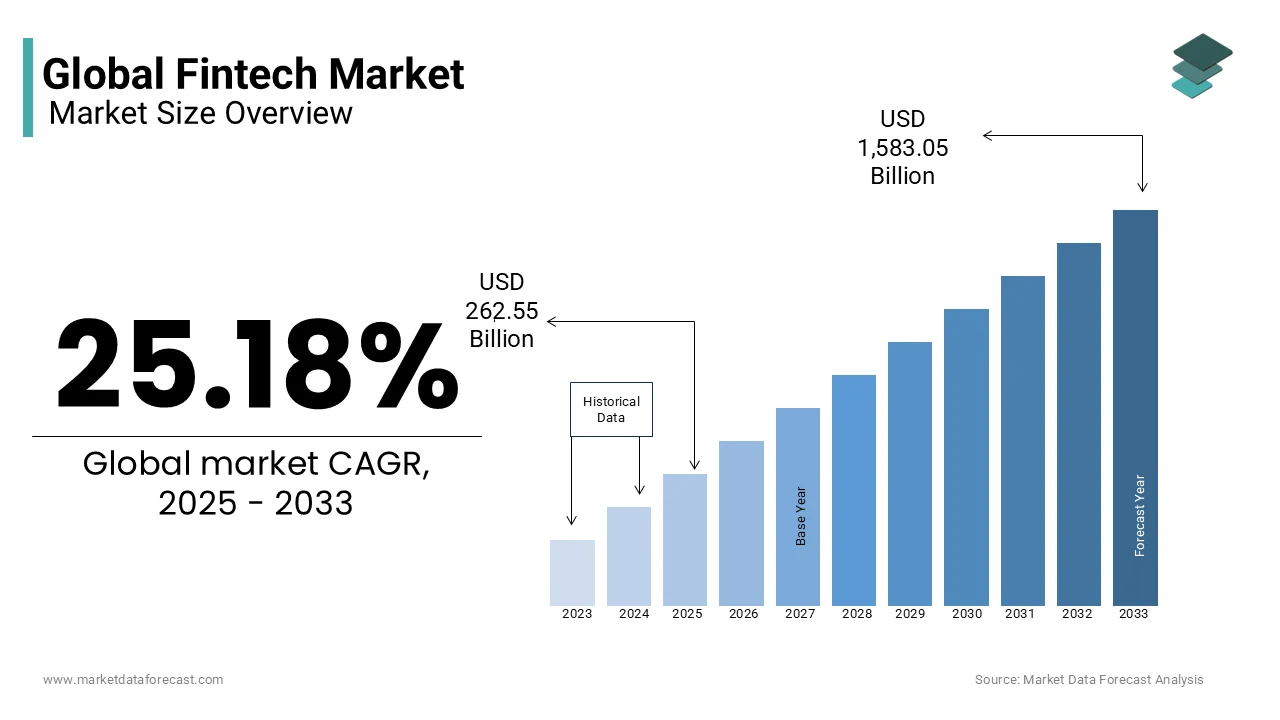
The financial world is moving faster than ever. Digital wallets, peer to person apps, and instant bank transfers are no longer perk and are actually considered as the standard. By 2030, experts predict that the global volume of instant payments will exceed 511 billion transactions annually, accounting for nearly 28 percent of all electronic payments worldwide. While this speed is great for consumers, it creates a massive window of opportunity for fraud. When money moves in seconds, security must move in milliseconds. Traditional banking systems often struggle with this pace. Legacy software was built for batch processing, where transactions are checked in groups over several hours or days. Applying that old logic to a modern app usually leads to either high fraud rates or too many false positives that frustrate users. To stay competitive, many firms are turning to custom fintech software solutions to build security directly into the code rather than patching it on later.
The main challenge with instant payment security is the lack of a revocation period. In older systems, if a suspicious transaction occurred, there was time to flag and cancel it before the funds actually left the bank. With instant rails, the money is gone instantly. Fraudsters use automation to exploit this speed. They use mule accounts to bounce stolen funds through several banks in seconds, making it nearly impossible for manual investigators to keep up. This is why off the shelf software often fails. It is not tailored to the specific flow of your unique platform or user base. When a company relies on a generic third party plugin, they are essentially using the same lock as thousands of other businesses. If a hacker finds one skeleton key, every one of those businesses is at risk. This is the primary reason why specialized builds are becoming the industry standard for high volume financial platforms.
When you build from scratch, you can implement a Zero Trust architecture. This means the system never assumes a transaction is safe just because a user is logged in. Every single request is verified. Here is how custom builds handle the pressure.
Instead of just asking for a password, secure financial transactions are now protected by analyzing how a user interacts with their device. Custom software can track typing rhythm, screen pressure, and even the angle at which a phone is held. If a bot or a stranger tries to initiate an instant payment, the system notices the behavioral shift and triggers an immediate block. This level of detail is impossible with standard web forms. It requires deep integration with the mobile or web operating system, something only achievable through custom fintech software solutions. By the time the user hits the send button, the system has already run hundreds of checks to confirm the person holding the phone is actually the account owner.
Generic platforms often use a monolithic structure. This means if one part of the app is breached, the whole system is at risk. Custom fintech software solutions use microservices. This breaks the payment process into tiny, isolated pieces. The part of the code that handles the user interface does not have direct access to the encryption keys used for the payment vault. Think of it like a submarine with multiple airtight compartments. If one area floods, the rest of the ship stays dry. In a fintech context, if a hacker compromises the front end of your website, they still cannot reach the core transaction engine because it is hosted on a completely different, isolated server with its own security protocols.
To maintain instant payment security, systems must run thousands of checks in a heartbeat. Custom AI models can be trained on your specific transaction data. For example, if your platform typically handles small retail payments, the AI will immediately flag a sudden 5,000 dollar transfer to a new account, even if the login credentials are correct. Off the shelf AI tools are often too broad. They might flag a legitimate high value user as a fraudster because they do not understand your specific business model. A custom model learns the nuances of your customers, reducing friction for real users while slamming the door on criminals.
You cannot have secure financial transactions without protecting the data in transit. Standard encryption is the bare minimum, but custom solutions often employ Tokenization. Tokenization replaces sensitive card numbers or bank details with a unique, randomized string of characters called a token. If a hacker intercepts the data during an instant transfer, the token is useless to them because it only works for that specific transaction and that specific merchant. This is a critical step in how to secure instant payments with custom fintech software. It ensures that even a successful data breach yields no usable financial information. mIn many cases, the actual bank account numbers are never even stored on your servers. They are kept in a highly secure, third party vault, and your app only ever sees the tokens. This drastically reduces your compliance burden and makes your platform a much less attractive target for cybercriminals.
Compliance and the User Experience
One of the biggest hurdles in fintech is the friction problem. If you add too many security steps, users will quit the app. If you add too few, you lose money to fraud. Custom software allows for Adaptive Authentication. If a user is sending 20 dollars to a frequent contact from their home Wi-Fi, the system allows it instantly. If they try to send 2,000 dollars from a new location, the software automatically asks for a face scan or a hardware key. This balance is only possible when the security layer is deeply integrated with the business logic of the app. Furthermore, global regulations require strict data handling. Custom builds allow you to automate compliance reporting, saving your team hundreds of hours during audits. You can build internal dashboards that monitor every transaction in real time, giving your compliance officers the tools they need to stay ahead of the law.
Smart Contracts is The Future of Instant Settlements
As we look toward the next few years, programmable money is becoming a reality. By using blockchain inspired smart contracts within a private fintech ecosystem, companies can ensure that funds are only released when specific digital conditions are met. This adds a layer of logic based security that traditional banking apps simply cannot match. It ensures instant payment security by making the transaction itself smart enough to reject a fraudulent request. For example, a smart contract can be programmed to only release a payment once a digital signature from a third party verifier is received. This happens in milliseconds, maintaining the speed of the transaction while adding an extra layer of human or algorithmic oversight.
Many startups try to save time by using white label payment software. While this works for a basic proof of concept, it creates a standardized target for hackers. When thousands of companies use the exact same security code, a hacker only needs to find one hole to compromise everyone. Fintech software solutions that are custom built are much harder to crack because the map of the system is unique to your company. Hackers look for easy wins. They look for systems they already recognize. When they run into a custom built architecture with unique encryption paths and non standard API structures, they often move on to an easier target. Also, as your company grows, generic software becomes a bottleneck. You may want to integrate with a new local payment rail in Latin America or Europe. A white label solution might not support it for another year. With a custom build, your developers can add that integration in weeks, giving you a massive first mover advantage in new markets.
Blue Coding stands out for helping companies build robust, scalable, and highly secure financial platforms. We understand that in the world of fintech, a single security lapse can be devastating for your brand. Our team of experienced developers focuses on creating tailored solutions that meet the highest standards of data protection and regulatory compliance. We work closely with your internal teams to identify vulnerabilities and build custom tools that protect both your business and your customers. Whether you are building a new neobank or upgrading an existing payment processor, we provide the technical expertise to ensure your transactions remain safe and efficient. We offer a first free call for all queries to discuss your project requirements, audit your current security needs, and map out a strategy for your custom build. Contact us now to book your call!


Subscribe to our blog and get the latest articles, insights, and industry updates delivered straight to your inbox