Why do the world’s biggest companies choose technology staff augmentation over traditional hiring? Explore how Slack, Netflix, and WhatsApp used external talent to scale globally and learn how US companies outsourcing IT stay agile in a competitive digital economy.


.svg)
.svg)
The idea that a massive corporation does everything under one roof is a myth that belonged to the previous century. Today, the most successful brands in the world function more like conductors of a global orchestra. They do not own every instrument, but they know exactly how to bring them together to create a masterpiece. The conversation is no longer about whether to look outside for talent, but how to do it effectively. When we look at the market, it is clear that US companies outsourcing IT have moved away from simple cost-cutting. Now, it is a strategic play for speed, specialized knowledge, and the ability to scale without the heavy anchor of traditional hiring. In this well-researched piece, we are going to explore the heavyweights of the American economy. These are the enterprise outsourcing examples that show how the biggest names in tech, retail, and manufacturing stay at the top of their game by leveraging external experts. By studying these giants, smaller and mid-sized companies can learn how to build their own flexible workforces.
Google is often cited as the gold standard for workplace culture, yet half of their workforce does not actually work for Google in the traditional sense. For years, the number of temporary, vendor, and contractor workers at Google has rivaled or exceeded their full-time staff. This is not because Google lacks the money to hire people. It is because they value agility above almost everything else. The reason is simple. Google moves into new markets faster than any HR department could possibly keep up with. When they decided to go all-in on generative AI and custom silicon chips, they did not just wait years to train internal staff. They utilized IT staff augmentation services to bring in specialized engineers who already had a decade of experience in those niche fields. This allowed them to iterate on their internal models and cloud infrastructure at a pace that would be impossible if they insisted on only hiring internal employees.
By using these external partners, Google keeps its core teams focused on high-level strategy while the augmented staff handles the intricate, project-specific development. It is a flexible model that allows them to scale down once a project is finished or pivot to the next big thing without the messiness of mass layoffs. This approach has allowed them to maintain their lead in search and advertising while simultaneously becoming a leader in cloud computing and artificial intelligence.
Apple is famous for its vertical integration, meaning they like to control every part of the user experience. However, that control does not mean they do every single task themselves. While Apple designs its own chips and software, they rely on a massive web of external partners for software testing, localization, and even certain aspects of their cloud services. Apple is one of the best enterprise outsourcing examples of how to maintain high quality while using a global workforce. They use technology staff augmentation to fill gaps in their internal engineering teams, particularly when they are preparing for a massive operating system launch or a new hardware category. By bringing in external experts for these high-pressure periods, Apple ensures that their full-time engineers do not burn out, while still meeting the strict deadlines that the world expects from them. They have perfected the art of treating external teams as a seamless extension of their internal culture, ensuring that the final product feels like it came from a single, unified vision.
The automotive industry is currently in the middle of its biggest transformation since the assembly line. Ford is no longer just competing with other traditional car manufacturers. They are competing with specialized tech firms and electric vehicle startups. To do this, they have had to stop thinking like a car company and start thinking like a software company.
Modern vehicles are essentially computers on wheels. Building the software for autonomous driving, electric battery management, and in-car entertainment requires a set of skills that the traditional auto industry simply did not have in abundance. Instead of trying to reinvent the wheel, Ford has embraced technology staff augmentation to build out their digital capabilities. They partner with tech firms to bring in developers who understand cloud connectivity and real-time data processing. This allows Ford to stay competitive in the electric vehicle race without losing their identity as a premier American manufacturer. They have shown that even a century-old company can modernize its workforce by reaching out to experts who live and breathe software.
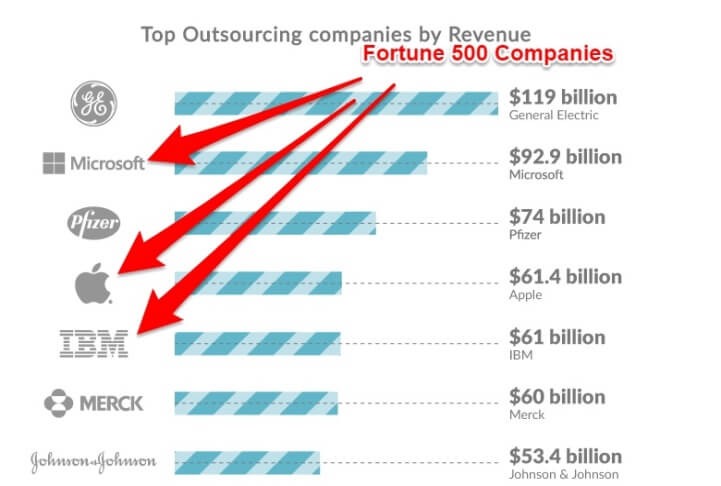
It is worth looking at why this trend is accelerating so quickly across all industries. The modern business environment moves at a speed that traditional hiring cannot match. In the past, if you needed a new department, you would post a job, wait months for applications, interview dozens of people, and then spend more months on-boarding them. By the time the team was ready, the market might have already moved on.
When we compare the traditional model to the modern approach, the differences are clear. Hiring speed is one of the biggest factors. A traditional hire can take three to six months to fully integrate. With staff augmentation, that timeline drops to just a few weeks. Furthermore, the access to skills is no longer limited by who lives within driving distance of your office. You can access a global talent pool of people who have already solved the exact problems you are facing.
Scalability is another major advantage. Traditional hiring is rigid and expensive. If a project ends, you are left with a high payroll that you might no longer need. Staff augmentation is highly flexible, allowing you to scale up for a big launch and scale back once the maintenance phase begins. This makes the long-term costs much more predictable and project-based, rather than being a permanent overhead cost that eats into your margins.
Walmart is the largest company in the world by revenue, and for the last several years, they have been locked in a digital arms race. To transform from a big-box retailer into a global e-commerce powerhouse, Walmart had to completely rebuild its digital infrastructure to compete with rivals who were born on the web.
They did not do this alone. US companies outsourcing IT is a category where Walmart shines as a leader. They created a central tech hub, but they supplement this hub with thousands of external developers. This hybrid approach allows Walmart to manage their massive logistics network and their online marketplace simultaneously. When the holiday shopping season hits, they can instantly scale their technical capacity using IT staff augmentation services, ensuring their website stays live and their delivery drones stay on course during the highest traffic days of the year. They have proven that size does not have to mean slowness, as long as you have the right partners.
Most people think of Slack as a company that grew naturally within the confines of Silicon Valley, but in its early days, the company looked very different. To get their product to market, the founders did not spend months searching for the perfect local design team. Instead, they outsourced the early development and design of the Slack app to an external agency.
This allowed the founding team to focus on the vision and business model while experts built the actual interface that users would eventually fall in love with. This is a classic example of using external talent to prove a concept. Once Slack had millions of users and a massive valuation, they brought more of that work in-house, but they never would have reached that stage without the initial boost from their outsourced partners. They understood that being first to market with a great product was more important than having a large internal team on day one.
Microsoft is a massive ecosystem, and their cloud platform is the backbone of millions of businesses. To maintain a platform of that scale, Microsoft uses a sophisticated mix of internal and external talent. They are frequently looking for niche expertise in cybersecurity and data science, and they often find it through external firms.
This allows Microsoft to stay at the cutting edge. Instead of having a stagnant pool of internal developers who might get comfortable with one way of doing things, they constantly inject new perspectives and skills into their teams. It keeps their products fresh and ensures they are always prepared for the next wave of technological disruption. They have mastered the ability to integrate external contractors so deeply into their workflow that the distinction between internal and external talent becomes almost invisible.
How can your company achieve the same agility as these global giants? Blue Coding provides the elite engineering talent you need to scale without the traditional headaches of recruitment. From building high performance backends to securing your systems, we handle the technical heavy lifting so you can focus on your core goals. We deliver specialized experts who understand the intersection of business and technology. Whether you are building a new platform or upgrading existing systems, we are your partner for growth. Contact us for a complimentary strategy call to discuss your specific needs today.


Subscribe to our blog and get the latest articles, insights, and industry updates delivered straight to your inbox