Stay competitive by moving toward an AI-first development model focused on innovation and efficiency. Blue Coding will help you define the future of software creation through expert guidance!

.svg)
.svg)
The landscape of software creation is undergoing a fundamental shift that goes far beyond simple code completion tools. Engineering leaders are no longer just looking for ways to speed up typing. They are rethinking the entire lifecycle of how products are built and maintained. Moving toward an environment where artificial intelligence is the primary driver of the development process requires more than just new software. It requires a complete change in culture and team structure.
Now, the goal is to move from a human-centric model with AI assistance to a model where AI agents handle the bulk of execution while humans focus on strategy and orchestration. This shift is what defines AI-first development. For many teams, this transition is the only way to keep up with the increasing speed of the market. Without a clear plan for this evolution, even the most skilled teams can find themselves stuck behind competitors who have embraced a more automated approach to building software.
To truly grasp what it means to build an AI-first engineering culture, one must look at how the role of the developer is changing. In the past, a programmer spent the majority of their day writing logic, debugging syntax, and manually testing small units of code. Today, those tasks are increasingly handled by autonomous systems that can read entire codebases and suggest complex changes across multiple files. This transition means that the primary skill for an engineer is moving from syntax mastery to context engineering. Context engineering involves providing the right data and instructions to AI models so they can produce high-quality outcomes. When teams prioritize this approach, they are participating in AI-driven software development that scales much faster than traditional methods. The focus is now on how to guide the machine rather than how to do the work of the machine.
Building AI-powered engineering teams involves more than just buying a few licenses for a coding assistant. It requires a structural change in how people work together. Many organizations are now adopting the reverse Conway method. This means they are organizing their teams around specific product outcomes instead of technical functions. Instead of having a separate backend team and a separate frontend team, they create cross-functional groups that own a complete feature.
In these groups, AI agents act as full-fledged team members. These agents can handle routine documentation, run regression tests, and even draft initial architecture plans. This allows the human members of AI-powered engineering teams to spend their time on high-leverage tasks like defining user requirements and making critical architectural decisions. This structure removes the silos that often slow down traditional software projects.
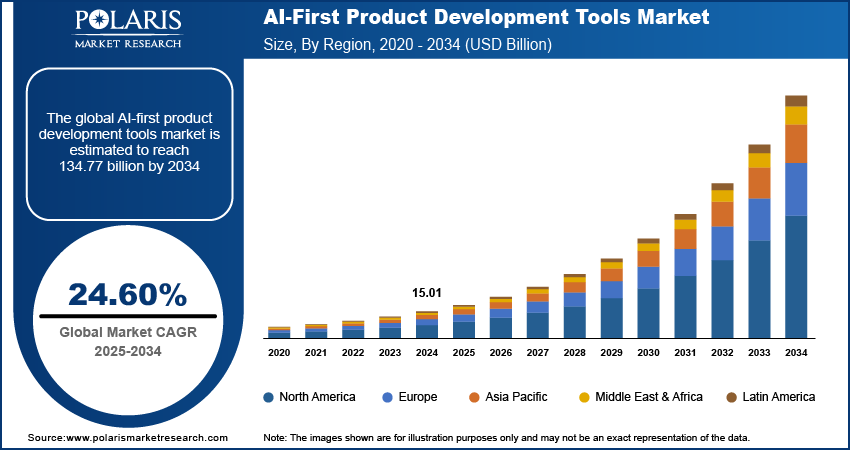
There are several key areas where AI-first development changes the day to day operations of a technical organization:
By embedding these capabilities into the workflow, a company moves into a state of AI-driven software development that is proactive rather than reactive. This reduces the cognitive load on senior engineers and allows for a much smoother delivery pipeline.
The journey to AI-first engineering should follow a clear roadmap to avoid common pitfalls like security debt or team burnout. The first step is often to move development environments to the cloud. Local setups can become a bottleneck when trying to integrate powerful AI agents that require massive computing resources and constant connectivity to specialized models.
Once the infrastructure is ready, teams should establish clear governance policies. Since AI agents can now modify production systems, there must be approval gates and audit logs for every decision an agent makes. This ensures that the speed of automation does not come at the cost of safety or compliance. Training is also essential. Developers need to learn how to review AI-generated code with a critical eye, looking for logic errors that traditional scanners might miss.
In the current global market, many organizations are looking to Latin American nearshore partners to help them bridge the talent gap. These teams are often at the forefront of adopting new technologies because they are built to be agile and responsive to U.S. business needs. By working with a nearshore partner that understands the nuances of the latest AI tools, companies can accelerate their own transition.
These teams often bring a fresh perspective on how to integrate agents into the development cycle. They are not tied down by legacy processes that can sometimes hinder larger, more established domestic firms. This agility is a huge advantage when trying to implement a complex strategy like transitioning to a fully automated development environment.
A common challenge in this transition is the productivity paradox. While developers might be writing code faster, downstream bottlenecks in testing and deployment can erase those gains. To fix this, leadership must look at the entire lifecycle. If the QA team is still manual while the dev team is using AI, the process will break.
The solution is to automate the guardrails. By adding CI/CD gates that use AI for test coverage and edge case detection, you can ensure that the increased volume of code does not overwhelm your quality assurance process. This holistic view is what separates a successful strategy from one that simply generates more noise and technical debt.
The move toward an AI led strategy is a continuous evolution rather than a one time project. As models and agents become more capable, the way teams build software will keep changing. Organizations that invest in their people and infrastructure now will define the future of the industry. Blue Coding helps companies navigate this transition by providing the technical expertise and nearshore talent needed to scale effectively. To help you get started, Blue Coding offers a complimentary strategy call to discuss your specific goals and challenges. By focusing on automation and continuous learning, you can keep your team competitive and gain the full benefits of modern innovation. Contact us now to book your complimentary strategy call!


Subscribe to our blog and get the latest articles, insights, and industry updates delivered straight to your inbox