Struggling with aging infrastructure? Explore the benefits of telecom legacy system modernization and how nearshore proximity speeds up your digital transformation.

.svg)
.svg)
The telecommunications industry is currently at a critical crossroads. While 5G expansion and IoT integration grab the headlines, the backbone of many providers still relies on aging infrastructure. Recent industry data suggests that by 2028, the global telecom cloud market is expected to reach over 80 billion dollars as providers move away from hardware centric models. This shift is a necessity for survival! To manage this transition, many companies are turning to nearshore telecom development to bridge the gap between old hardware and new age software.
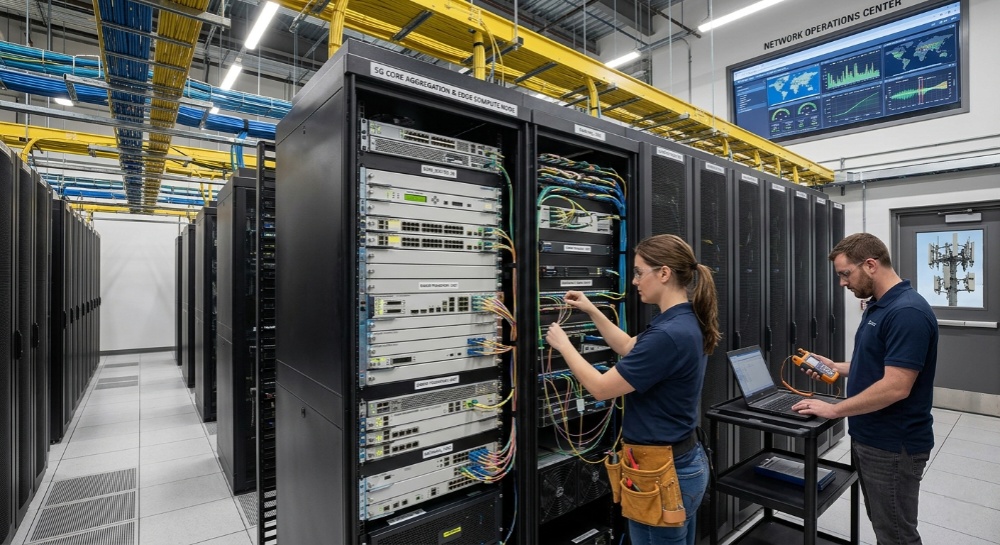
Telecom networks often run on code and hardware that are decades old. These systems were built for a different era of communication. This makes them expensive to maintain and almost impossible to scale. The primary issue with a telecom legacy system modernization project is not just the age of the technology. It is also the specialized knowledge required to touch it without breaking the network. When a system handles millions of real-time connections, a single error during an update can lead to massive outages.
Legacy systems often act as a bottleneck. They prevent the rollout of new features that modern consumers expect. For example, if a billing system is built on an old mainframe, it may struggle to handle the complex data plans required for 5G services. This creates a gap between what the marketing team promises and what the technical infrastructure can actually deliver. By focusing on telecom software modernization, companies can start to untangle these old dependencies.
Technical debt is the cost of choosing an easy solution now instead of a better solution that takes longer. In the telecom world, this debt has been accumulating for decades. Every year a company delays modernization, the cost of eventually doing it goes up. Nearshore telecom development provides a way to start paying down this debt without bankrupting the company. By bringing in external experts, internal teams can focus on their core competencies. The nearshore team handles the tedious work of refactoring old code and migrating data. This allows the internal staff to focus on high level strategy and customer experience. It is a division of labor that maximizes the strengths of both groups.
Finding engineers who understand both COBOL and modern cloud native architecture is a challenge in local markets. This is where nearshore telecom development becomes a strategic advantage. By partnering with teams in similar time zones, telecom companies gain access to high level talent without the communication delays found in traditional offshore models. Real-time collaboration is vital when you are performing complex legacy system migration services that require constant monitoring and instant feedback loops.
Proximity is a major factor in the success of these projects. When a team is only a few hours away by plane or in the same time zone, the synergy increases. You do not have to wait until the next day to get an answer to a critical technical question. In the world of telecommunications, where network uptime is measured in seconds, this speed of communication is a core requirement for any modernization strategy.
Modernizing a network is a capital intensive process. Investing in telecom software modernization through nearshore teams allows companies to reallocate their budget toward innovation rather than just keeping the lights on. Because nearshore partners operate in regions with lower overhead but high educational standards, telecom providers can scale their development teams up or down based on the specific phase of the migration. This flexibility is crucial. A migration might require fifty engineers during the integration phase but only ten during the maintenance phase. Nearshore models allow for this elasticity without the legal and financial burden of hiring full-time local staff for short term projects.
One of the most overlooked benefits of nearshore partnerships is cultural and linguistic alignment. In telecom, where technical terminology is dense, being able to speak clearly and directly is a major time saver. Nearshore teams often share a similar work culture. This leads to better problem solving and a stronger sense of ownership over the project. This is particularly helpful when tackling the frustrations that come with telecom legacy system modernization. When teams share a similar mindset, they are more likely to be proactive. They look for ways to improve the process. In a complex project like legacy system migration services, you need people who will speak up if they see a potential issue.
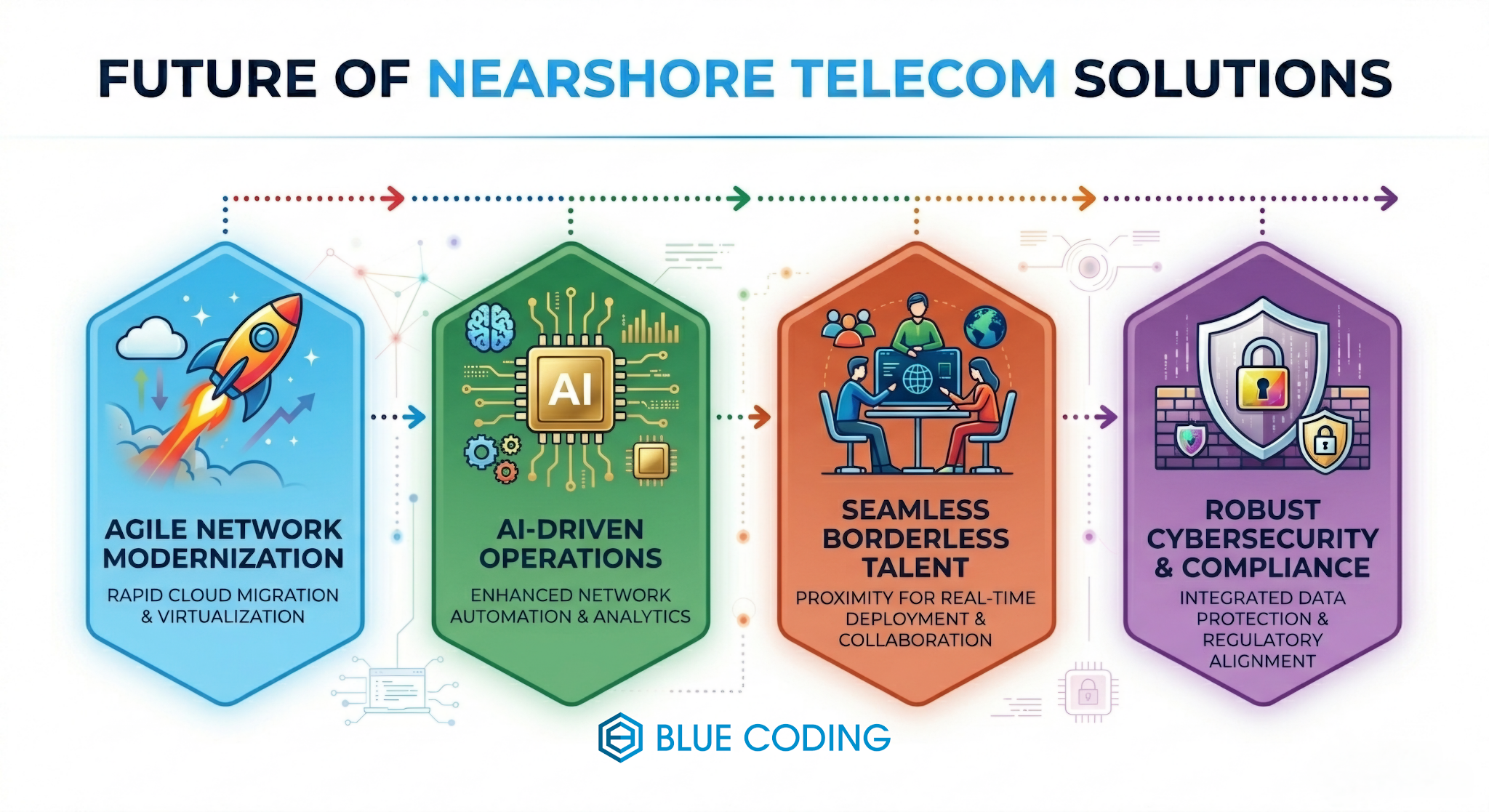
The speed of the market waits for no one. If a provider takes three years to modernize a billing system, their competitors have already moved on to the next generation of services. Nearshore teams help speed up the development lifecycle. Because they work during your business hours, the hand-off of tasks is seamless. This agility is essential for telecom software modernization. Software patches and security updates must be deployed across the network frequently to protect user data and maintain service integrity.
Agility also means being able to experiment. In a legacy environment, experimentation is risky. However, with a dedicated nearshore team, companies can create sandbox environments to test new features. This allows for a more iterative approach to development. Instead of a massive, risky overhaul, you can modernize the system piece by piece. This reduces the overall risk to the network while still moving toward a more modern state. Modern users expect instant gratification. They want to be able to change their data plan with a few taps on an app. They want high speed internet everywhere they go. Legacy systems were not built for this level of interactivity. Telecom software modernization is the only way to meet these expectations.
Moving data from a legacy database to a modern cloud environment is high risk. Utilizing legacy system migration services from a nearshore partner often means working with teams that have specific experience in regional compliance and data residency laws. This proximity makes it easier to conduct site visits and deep dive technical workshops. It ensures that every step of the migration is documented and secure. Security is a top priority for any telecom provider. A breach in a legacy system can be devastating. Nearshore partners often follow similar security protocols and regulatory frameworks as the parent company. This makes it easier to align on security standards and ensure that the new system is even more secure than the old one.
Modernization is not a one-time event. It is a continuous process of evolution. By establishing a relationship with a nearshore partner, telecom companies create a sustainable engine for future growth. Whether it is implementing AI-driven network management or preparing for 6G, having an integrated team of experts ensures the network remains a competitive asset rather than a technical debt. As technology continues to advance, the gap between the leaders and the laggards will only grow. Those who invest in telecom software modernization now will be the ones who lead the market in the next decade. Those who wait will find themselves struggling to keep up with both technology and consumer demand.
Not all nearshore partners are created equal. When selecting a team for nearshore telecom development, it is important to look at their track record. Have they handled large scale migrations before? Do they understand the specific challenges of the telecom industry? These are the questions that will determine the success of the project. A good partner should act as an extension of your own team. They should be invested in your success. They should provide more than just developers. They should provide strategic insights and technical leadership. This level of partnership is what makes legacy system migration services truly effective.
The journey from legacy to modern is long and challenging. However, it is a journey that every telecom provider must take. By leveraging nearshore telecom development, companies can navigate this path more effectively. They can reduce costs, mitigate risks, and speed up their time to market. The focus must remain on the long term goal. The goal is a network that is agile, scalable, and secure. It is a network that can support the innovations of tomorrow. With the right strategy and the right partners, telecom companies can turn their legacy systems from a burden into a foundation for future success.
Modernizing complex infrastructure requires a partner who understands the high stakes of the telecommunications world. The Blue Coding agency is a pro in connecting businesses with elite technical talent to handle the heavy lifting of digital transformation. Whether you are looking for specialized legacy system migration services or long term development support, our teams are ready to integrate into your workflow. We offer a first free call for queries to discuss your specific technical needs and how we can help you reach your goals. Contact us today to book your call!


Subscribe to our blog and get the latest articles, insights, and industry updates delivered straight to your inbox